

Starting a home-based candle company requires more than just a passion for scent. It demands a reliable supply chain for high-quality wax, wicks, and fragrance oils. According to recent industry data, the global candle market is projected to reach significant valuation milestones by 2026, driven by consumer demand for artisanal and sustainable home goods. This growth creates a prime opportunity for entrepreneurs who can source premium materials efficiently. The right supplier partnership determines your product quality, profit margins, and ability to scale operations effectively. (Candle Industry Statistics)
Understanding the Candle Supply Chain
The candle industry relies on a complex network of raw material processors, distributors, and retailers. For a home-based business, navigating this landscape can be daunting. You need vendors who offer consistency in wax purity, fragrance oil stability, and wick performance. Many new entrepreneurs mistakenly buy from general craft stores, which often lack the volume discounts and specialized product lines necessary for commercial production. (Candle Industry Statistics)
Specialized suppliers like Makesy cater specifically to the maker community. They provide curated collections of wax, fragrance oils, and decorative elements. This specialization ensures that you receive products tested for candle-making applications, reducing the risk of formulation failures. Understanding the difference between wholesale distributors and direct-to-maker retailers is crucial for your business model.
Essential Materials for Candle Making
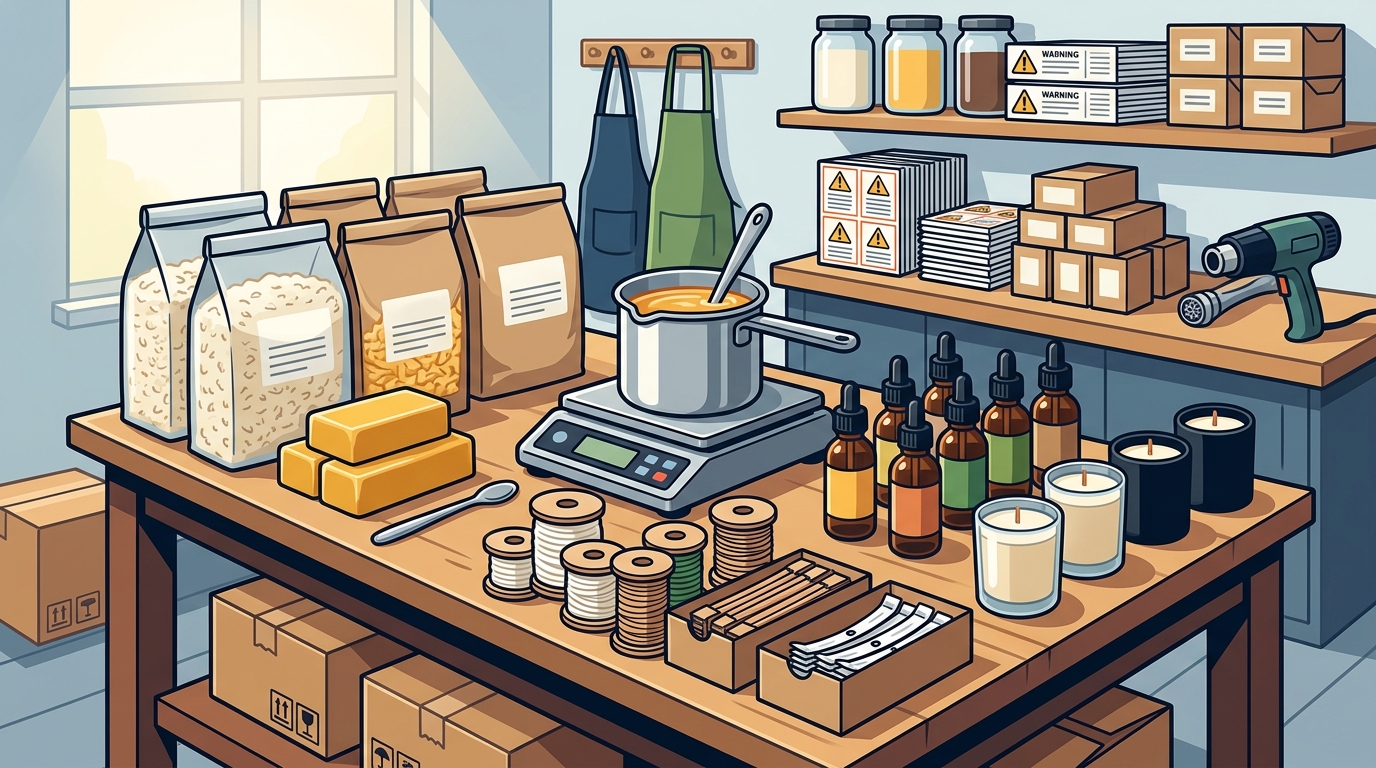
Every candle consists of three primary components: wax, wick, and fragrance. Each component requires specific technical specifications to ensure a safe and high-quality end product. Makesy Best Selling DIY & Craft Supplies offer a wide range of options for each of these categories.
Wax Types and Properties
Wax is the fuel of the candle. The most common types include soy wax, paraffin wax, and coconut wax. Soy wax is a natural, renewable resource derived from soybean oil. It is favored for its clean burn and excellent fragrance throw. Paraffin wax is a petroleum byproduct that offers superior scent throw and is often used in commercial candles. Coconut wax is a premium option known for its creamy texture and eco-friendly profile.
When selecting wax, consider the melt point and compatibility with your chosen fragrance oils. Some waxes require specific fragrance load percentages to perform optimally. For example, soy wax typically holds fragrance loads between 6% and 10%. Exceeding this limit can cause sweating or poor combustion.
Wick Selection and Performance
The wick determines how the candle burns. A wick is a cord that draws melted wax up to the flame through capillary action. Choosing the wrong wick size can lead to tunneling, where the wax does not melt evenly to the edges of the container. It can also cause a flame that is too high, creating soot.
Wick size depends on the wax type, container diameter, and fragrance load. help.makesy.com provides detailed guides on wick testing to help you find the perfect match. Always perform burn tests with your specific wax and fragrance combination before scaling production.
Fragrance Oils and Essential Oils
Fragrance oils are synthetic or natural blends designed to provide specific scents. Essential oils are natural extracts from plants. Fragrance oils generally offer a wider variety of scents and better performance in candles. Essential oils are preferred by consumers seeking natural products but may have a weaker scent throw.
When sourcing fragrance oils, ensure they are specifically formulated for candle making. Some essential oils have low flash points, which can be a safety hazard. Makesy offers a curated selection of functional fragrances and essential oils tailored for candle makers.
Choosing the Right Supplier
Not all suppliers are created equal. Your supplier should offer a wide range of products, competitive pricing, and reliable customer support. Look for vendors that provide detailed product specifications, safety data sheets, and technical support.
Consider the supplier's reputation and customer reviews. A reliable supplier will have a track record of consistent product quality and timely delivery. Makesy is known for its high-quality supplies and excellent customer service. They offer a user-friendly platform for browsing and purchasing products.
Another important factor is the supplier's return policy and customer support. If you receive damaged goods or have questions about product usage, you need a responsive support team. help.makesy.com offers a comprehensive knowledge base to help you troubleshoot issues.
Shipping and Logistics Considerations
Shipping costs can significantly impact your profit margins, especially when dealing with heavy items like wax. Many suppliers offer free shipping thresholds to encourage larger orders. For example, Makesy offers free domestic shipping on all orders over $199. This policy helps reduce costs for bulk buyers.
Consider the shipping speed and reliability. Fast shipping is crucial for maintaining inventory levels and meeting customer demand. Makesy partners with Ocean to offer expedited shipping options. This partnership ensures faster delivery times and better tracking for your orders.
International shipping is another consideration if you plan to expand your market. Some suppliers offer international shipping, but costs and lead times can vary significantly. Check the supplier's international policies before placing orders.
Cost Analysis and Profit Margins
Understanding your cost of goods sold (COGS) is essential for pricing your candles correctly. COGS includes the cost of wax, wicks, fragrance oils, containers, and packaging. It also includes shipping costs and any labor involved in production.
Typically, the cost of materials for a candle ranges from $2 to $5 per unit, depending on the size and quality of ingredients. Packaging and labor can add another $3 to $5 per unit. To achieve a healthy profit margin, you should aim to sell your candles for at least 2 to 3 times the COGS.
Buying in bulk can reduce your material costs. Many suppliers offer volume discounts for larger orders. Makesy provides competitive pricing for bulk purchases, helping you maximize your profit margins.
Key Takeaways
- Specialized Suppliers Matter: Use vendors like Makesy for high-quality, candle-specific supplies.
- Wax Selection is Critical: Choose wax based on burn characteristics and fragrance compatibility.
- Wick Testing is Non-Negotiable: Always test wicks with your specific wax and fragrance combination.
- Shipping Costs Impact Margins: Leverage free shipping thresholds to reduce overhead.
- Bulk Buying Saves Money: Purchase materials in bulk to lower your COGS.
- Customer Support is Key: Choose suppliers with responsive support and comprehensive resources.
- Market Trends Favor Artisanal: The demand for handmade candles continues to grow globally.
Frequently Asked Questions
What is the best wax for beginners?
Soy wax is often recommended for beginners due to its ease of use and clean burn. It is also eco-friendly and widely available from suppliers like Makesy.
How do I choose the right wick size?
Wick size depends on the container diameter and wax type. Perform burn tests to find the optimal wick for your specific candle. help.makesy.com offers detailed guides on wick testing.
Can I use essential oils in candles?
Yes, but they may have a weaker scent throw than fragrance oils. Ensure the essential oils are suitable for candle making and have appropriate flash points.
What is the minimum order quantity for bulk discounts?
Minimum order quantities vary by supplier. Makesy offers competitive pricing for bulk purchases without strict minimums, making it accessible for small businesses.
How do I calculate my candle profit margin?
Subtract your total COGS from the selling price. Divide the result by the selling price to get the profit margin percentage. Aim for a margin of at least 50% to cover overhead and labor.
Do suppliers offer international shipping?
Some suppliers offer international shipping, but costs and lead times vary. Check the supplier's international policies before placing orders.
What is the flash point of fragrance oils?
The flash point is the temperature at which the oil can ignite. Fragrance oils with low flash points require careful handling. Always follow safety guidelines when working with heated wax and oils.
How often should I reorder supplies?
Reorder supplies based on your production schedule and inventory levels. Monitor your usage rates to avoid running out of critical materials. Makesy offers subscription options for regular deliveries.
Start Making Today
Starting a home-based candle company is a rewarding venture. By sourcing high-quality supplies from trusted vendors like Makesy, you can create exceptional products that resonate with customers. Explore their collections to find the perfect materials for your business. Visit checkout to begin your order and take the first step toward your entrepreneurial journey.