
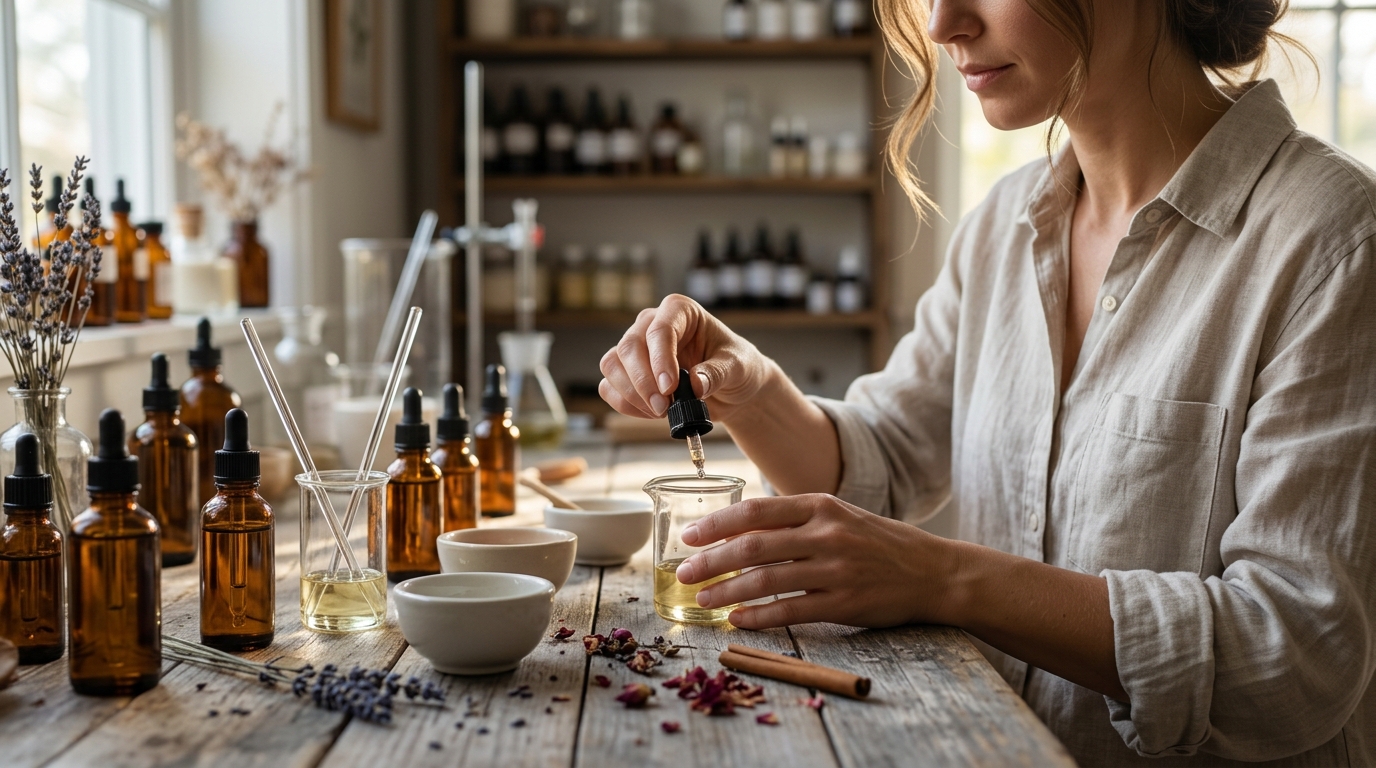
Creating custom fragrance blends allows you to design unique scents that perfectly match your brand identity or personal preference. According to industry data, the global fragrance market continues to expand, with consumers increasingly seeking personalized and artisanal products over mass-produced alternatives. This shift drives demand for DIY enthusiasts who can craft bespoke olfactory experiences for candles, soaps, and skincare items. By mastering the art of blending, you gain complete control over scent profiles, longevity, and safety standards.
Understanding Fragrance Oils and Essential Oils
Before you begin blending, it is crucial to distinguish between the two primary types of aromatic compounds used in homemade products. Fragrance oils are synthetic or semi-synthetic compounds designed to mimic natural scents or create entirely new olfactory profiles. They offer a vast array of scent possibilities, from fresh linen to complex gourmand notes, and are generally more stable in various product bases.
Essential oils, on the other hand, are natural extracts derived from plants. They provide therapeutic benefits but can be more volatile and expensive. When you shop for supplies at Makesy, you will find a curated selection of both types to suit your specific project needs. Understanding the difference helps you choose the right base for your final product.
The Basics of Fragrance Blending
Blending is both a science and an art. It requires an understanding of scent notes and how they interact over time. A professional blend typically consists of three layers: top, middle, and base notes. This structure ensures the scent evolves pleasantly as it is used.
Top Notes
Top notes are the first scents you perceive. They are light, fresh, and evaporate quickly. Common examples include citrus fruits like lemon, bergamot, and grapefruit. These notes provide an immediate burst of freshness that grabs attention.
Middle Notes
Also known as heart notes, these form the core of the fragrance. They emerge after the top notes fade and last longer. Floral and spicy scents like lavender, rose, and cinnamon are common middle notes. They provide body and balance to the blend.
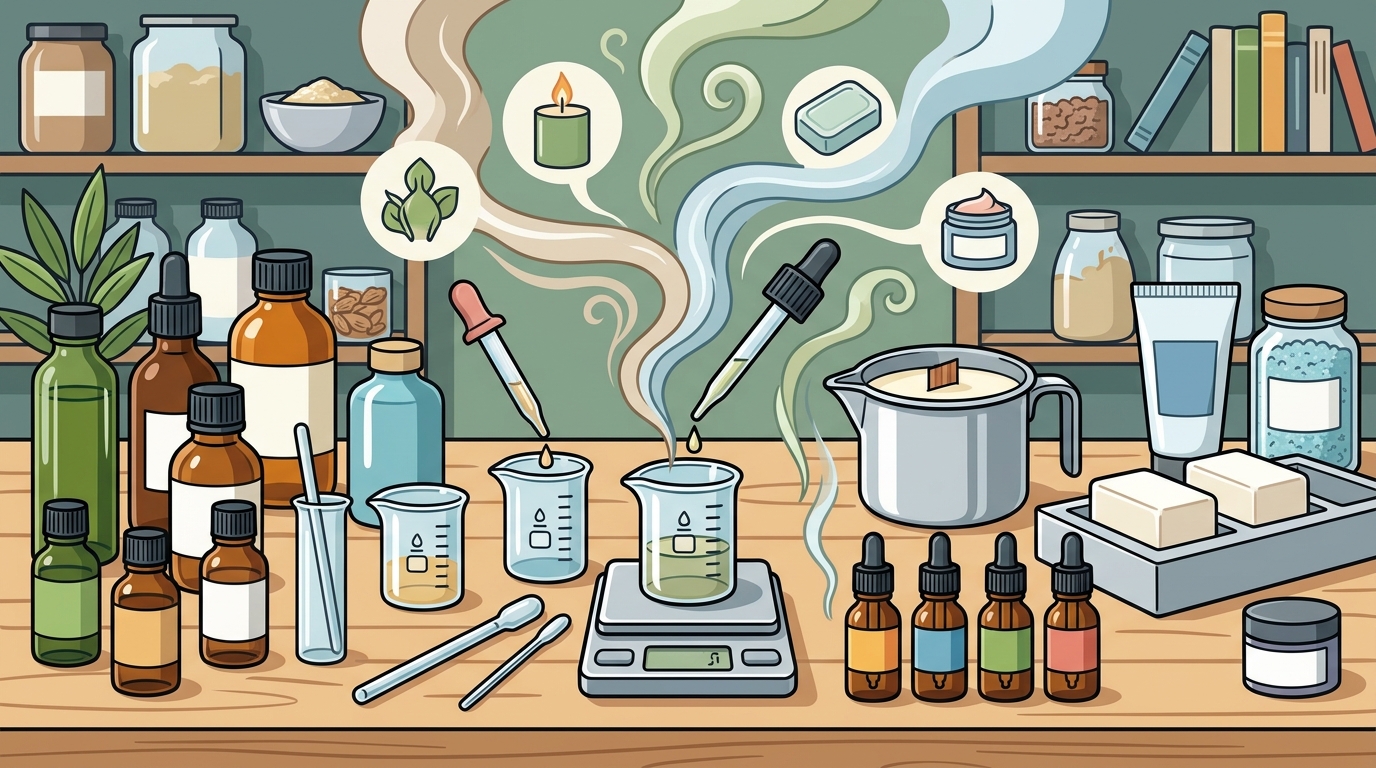
Base Notes
Base notes are the foundation of the blend. They are heavy, rich, and evaporate slowly, providing longevity to the scent. Woods, musks, and resins like sandalwood, vanilla, and patchouli are typical base notes. They anchor the lighter scents and give the fragrance depth.
When you explore fragrance oils on our platform, look for products labeled with these note categories. This information helps you construct a balanced pyramid. A common starting ratio is 30% top notes, 50% middle notes, and 20% base notes. Adjust these percentages based on your desired scent intensity and profile.
Safety and Regulatory Considerations
Safety is paramount when working with fragrance ingredients. Not all scents are safe for every application. For example, some essential oils can cause skin irritation or photosensitivity when exposed to sunlight. Always consult the Safety Data Sheet (SDS) for each ingredient you use.
The International Fragrance Association (IFRA) sets standards for the safe use of fragrance materials. According to IFRA guidelines, certain ingredients have maximum usage limits depending on the product type. For instance, a fragrance safe for a candle may not be safe for a leave-on lotion. You can find detailed shipping and safety information on our help center to ensure your products meet industry standards.
Additionally, proper labeling is required for commercial products. You must list all ingredients accurately to inform consumers of potential allergens. This transparency builds trust and ensures compliance with local regulations. Always prioritize skin-safe fragrances when formulating body care products.
Testing Your Custom Blends
Once you have created a potential blend, rigorous testing is necessary. Small batch testing allows you to evaluate the scent throw, which is how well the fragrance disperses in the final product. For candles, this means testing in cold and hot throw conditions.
For soaps and lotions, test for scent retention after curing or setting. Some fragrances can accelerate trace in soap making or cause separation in emulsions. Keep detailed notes on your ratios and results. This data is invaluable for refining your recipes.
Consider using a candle making kit for initial tests to ensure you have the right wicks and wax types. The interaction between wax and fragrance can vary significantly. Paraffin wax typically holds scent well, while soy wax may require specific fragrance load rates. Experiment with different wax types to find the best match for your custom blend.
Scaling Your Custom Blends
When your blend is perfected, scaling up requires precision. Use digital scales to measure ingredients accurately. Volume measurements can lead to inconsistencies in large batches. Consistency is key to maintaining your brand reputation.
Consider the cost of goods sold (COGS) when scaling. Essential oils are often more expensive than fragrance oils. Balancing cost with quality is a critical business decision. You can optimize your supply chain by purchasing in bulk from Makesy, which offers competitive pricing on high-quality supplies.
Also, think about packaging and branding. Your custom scent is a unique selling point. Ensure your packaging protects the fragrance from light and heat, which can degrade the scent over time. Glass containers are ideal for preserving the integrity of your custom blends.
Key Takeaways
- Understand Note Structures: Balance top, middle, and base notes for a complex and lasting scent profile.
- Prioritize Safety: Always check IFRA standards and SDS sheets for safe usage rates in your specific product type.
- Test Rigorously: Conduct small batch tests for scent throw and stability before full-scale production.
- Measure Precisely: Use digital scales for consistency when scaling up your custom blends.
- Source Quality Supplies: Use high-quality fragrance oils and essential oils from reputable suppliers like Makesy.
- Label Accurately: Ensure all products are correctly labeled for allergens and ingredients to comply with regulations.
- Protect Your Product: Use appropriate packaging to prevent fragrance degradation from light and heat.
Frequently Asked Questions
What is the difference between fragrance oils and essential oils?
Fragrance oils are synthetic or semi-synthetic compounds designed to mimic natural scents or create new ones, offering a wide variety of options. Essential oils are natural extracts from plants, providing therapeutic benefits but often with a narrower scent range and higher cost.
How do I know if a fragrance is safe for skin?
Check the Safety Data Sheet (SDS) for the specific fragrance oil. Look for the IFRA certificate of compliance, which outlines safe usage rates for different product categories, including leave-on and rinse-off skincare.
Can I mix fragrance oils with essential oils?
Yes, you can mix them to create unique scents and balance cost with natural benefits. However, ensure the final blend stays within the safe usage limits for the most restrictive ingredient.
What is scent throw in candles?
Scent throw refers to how well a fragrance disperses in a candle. Cold throw is the scent when the candle is unlit, while hot throw is the scent released when the candle is burning.
How much fragrance oil should I use in soy wax?
Typically, soy wax can hold between 6% to 10% fragrance oil by weight. However, this varies by wax manufacturer. Always follow the specific recommendations provided by your wax supplier.
Where can I buy custom fragrance supplies?
You can purchase a wide range of fragrance oils, essential oils, and blending supplies at Makesy, which offers fast shipping and expert support for DIY makers.
Do I need a permit to sell homemade fragrances?
Regulations vary by location. In many areas, you need a business license and must comply with local cosmetic or chemical regulations. Consult your local health department or a legal expert for specific requirements.
Start Blending Today
Creating custom fragrance blends is a rewarding journey that combines creativity with technical skill. By understanding scent notes, prioritizing safety, and testing thoroughly, you can develop unique products that stand out in the market. Start your blending journey with high-quality supplies from Makesy and discover the art of custom fragrance formulation.