

The global cold process soap market is projected to grow at a significant compound annual growth rate over the next decade, driven by consumer demand for natural ingredients and artisanal quality. According to recent industry analysis, the personal care sector is shifting heavily toward small-batch, handcrafted products that prioritize transparency and sustainability. This trend creates a viable entry point for entrepreneurs who understand the technical and regulatory landscape. Success in this niche requires more than just mixing oils; it demands a strategic approach to formulation, safety, and brand positioning.
Understand Soap Types and Formulations
Before investing in equipment, you must define the type of soap you intend to produce. The two primary categories are cold process and hot process soap. Cold process soap is a method where lye and oils are mixed at low temperatures, allowing the chemical reaction to cure over several weeks. This method preserves the glycerin produced during saponification, resulting in a milder, more moisturizing bar. Hot process soap, conversely, accelerates the curing time through heat, yielding a rustic texture that is ready to use sooner.
Another critical distinction is between true soap and synthetic detergent bars. True soap is defined as the salt of a fatty acid produced by the reaction of lye with fats or oils. Synthetic bars often contain surfactants and fillers that do not biodegrade as efficiently. Understanding this difference is vital for marketing to eco-conscious consumers who prioritize biodegradable and natural products.
Choosing your base oils is the next strategic decision. Common choices include olive oil, coconut oil, and palm oil. Each oil contributes different properties to the final bar. Olive oil provides conditioning and lather stability, while coconut oil creates hard bars with abundant bubbles. You can explore various cotton wicks and other supplies to complement your product line, but the oil blend is the foundation of your soap's performance.
Master the Science of Saponification
Saponification is the chemical reaction that transforms oils and lye into soap and glycerin. This process is exothermic, meaning it generates heat. Understanding the chemistry ensures consistency and safety in your batches. You must calculate the exact amount of lye required for your specific oil blend using a saponification value chart. Using too much lye results in a harsh, caustic bar, while too little leaves unreacted oils that can go rancid.
Accuracy in weighing ingredients is non-negotiable. Digital scales that measure in grams are essential for precision. Volume measurements are unreliable for lye and water due to density variations. Many successful makers start by using pre-calculated recipes from reputable sources to build confidence before experimenting with custom blends.
Temperature control during the mixing phase is also crucial. Most recipes recommend bringing both the lye solution and the oils to a similar temperature, typically between 100 and 120 degrees Fahrenheit. This consistency helps the mixture reach "trace" faster. Trace is the point at which the soap batter thickens to a pudding-like consistency, indicating that saponification is underway.
Source Quality Ingredients
The quality of your raw materials directly impacts the shelf life, scent, and performance of your final product. Sourcing from reputable suppliers ensures that your oils are fresh and your lye is pure. Makesy offers a comprehensive range of collections including fragrance oils, essential oils, and colorants specifically designed for soap makers.
Fragrance is a major selling point for handmade soap. You can choose between natural essential oils and synthetic fragrance oils. Essential oils provide therapeutic benefits and natural scents but can be expensive and may accelerate trace or cause discoloration. Fragrance oils offer a wider variety of scents and greater stability but may not appeal to purists. Always check the fragrance oil's behavior in cold process soap to avoid issues like acceleration or separation.
Colorants add visual appeal and help differentiate your brand. Micas, clays, and natural powders are popular choices. Eco dyes and natural clays provide earthy tones that appeal to the sustainable market. Ensure that any colorant you use is safe for skin application and does not interfere with the saponification process. Testing small batches before scaling up is a wise practice.
Ensure Safety and Regulatory Compliance
Safety is the most critical aspect of soap making. Lye (sodium hydroxide) is a caustic substance that can cause severe burns. Always wear protective gear, including gloves and goggles, when handling lye. Work in a well-ventilated area to avoid inhaling fumes. Never add water to lye; always add lye to water to prevent violent splashing.
Regulatory compliance varies by region but generally involves labeling requirements and product safety standards. In the United States, the FDA regulates cosmetics, including soap, under the Fair Packaging and Labeling Act. Your labels must include the product identity, net weight, and a complete list of ingredients in descending order of predominance. You must also include your business name and address.
Good Manufacturing Practices (GMP) are essential for maintaining product quality and safety. This includes keeping your workspace clean, sanitizing equipment between batches, and storing your finished soap in a cool, dry place. Candle safety principles often overlap with soap safety, particularly regarding fire hazards and proper ventilation. Understanding these cross-category safety protocols can enhance your overall operational standards.
Develop a Distinct Brand Identity
In a crowded market, a strong brand identity helps you stand out. Define your target audience and the unique value proposition of your soaps. Are you focusing on luxury, eco-friendliness, or therapeutic benefits? Your branding should reflect this mission in your logo, packaging, and marketing materials.
Packaging plays a significant role in the customer experience. Sustainable packaging options, such as recycled paper or biodegradable wraps, align with the values of many soap buyers. Consider the unboxing experience as part of your brand story. Including a thank-you note or care instructions adds a personal touch that encourages repeat business.
Consistency in your visual identity across all platforms is key. Use the same color palette, fonts, and imagery on your website, social media, and product labels. This consistency builds recognition and trust. You can also leverage perfumery knowledge to create signature scent profiles that become synonymous with your brand.
Set Up Your Production Workflow
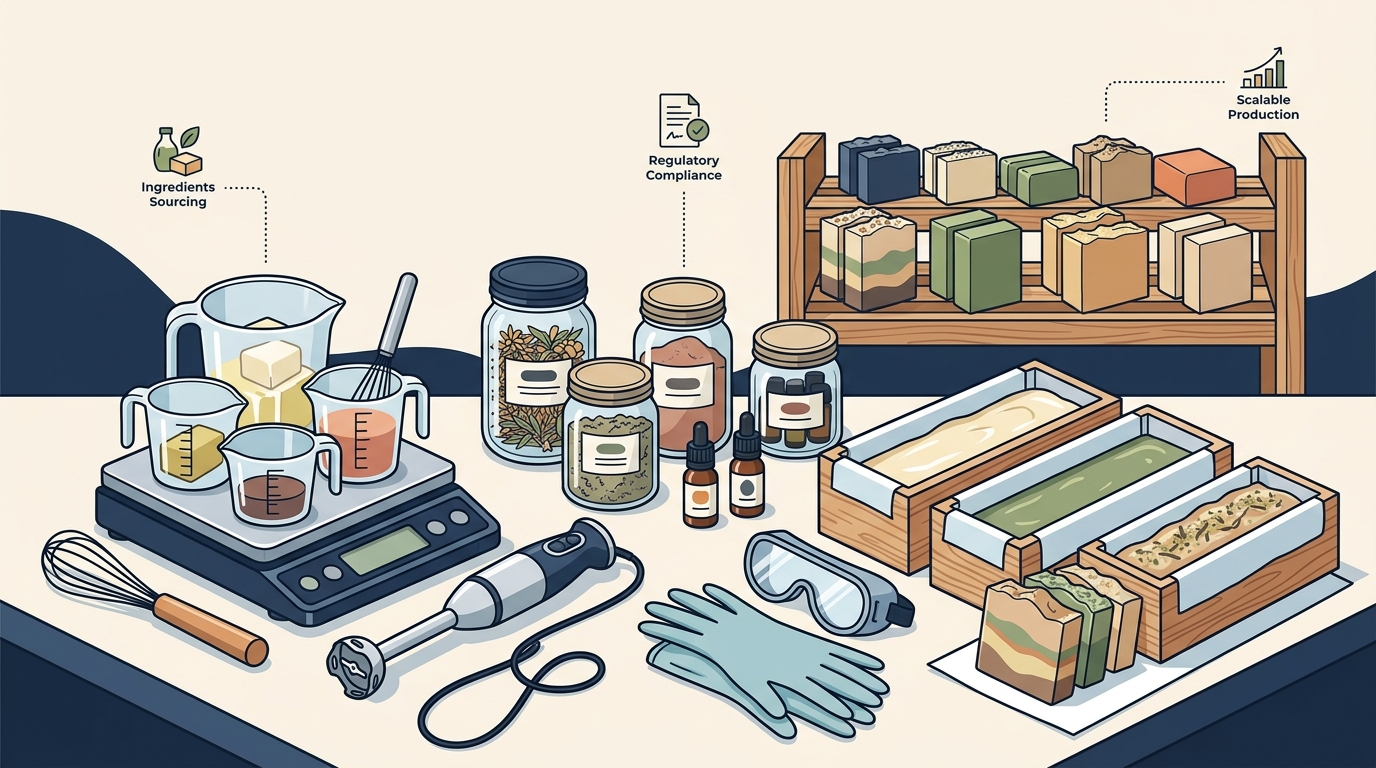
Efficient production workflows allow you to scale your business without compromising quality. Start with a dedicated workspace that is easy to clean and has adequate ventilation. Invest in high-quality molds, such as silicone or wooden molds lined with parchment paper. Silicone molds are popular for their flexibility and ease of release.
Batch production is an effective strategy for managing time and resources. Prepare multiple batches at once to streamline the process. However, be mindful of the curing time required for cold process soap, which typically ranges from four to six weeks. Plan your production schedule to ensure you have a steady supply of finished products for sale.
Quality control is essential for maintaining customer satisfaction. Test each batch for hardness, lather, and scent throw before selling. Keep detailed records of your recipes, including the date, ingredients, and any adjustments made. This data helps you replicate successful batches and troubleshoot issues in future productions.
Launch and Market Your Business
Launching your soap business requires a strategic marketing plan. Start by building an online presence through a website and social media channels. Share behind-the-scenes content, such as the soap-making process, to engage your audience and build trust. User-generated content, such as photos of customers using your products, can also be powerful marketing tools.
Consider selling through multiple channels, including your own website, online marketplaces like Etsy, and local farmers' markets. Each channel has its own advantages and challenges. Online marketplaces provide access to a large customer base but come with fees and competition. Local markets allow for direct customer interaction and immediate feedback.
Pricing your products correctly is crucial for profitability. Calculate the cost of goods sold, including ingredients, packaging, and labor. Add a margin that reflects the value of your brand and the quality of your products. Avoid underpricing your soaps, as this can devalue your work and hinder business growth.
Comparison of Sales Channels
| Channel | Pros | Cons | Best For |
|---|---|---|---|
| Own Website | Full control over branding and customer data | Requires marketing effort to drive traffic | Building a loyal customer base |
| Etsy | Access to existing marketplace audience | High fees and intense competition | Initial market testing |
| Local Markets | Direct customer feedback and immediate sales | Limited reach and physical effort | Community building |
| Wholesale | Bulk orders and brand exposure | Lower profit margins | Scaling production |
Key Takeaways
- Formulation Knowledge: Understanding the difference between cold process and hot process soap is fundamental to product quality.
- Chemical Safety: Always handle lye with protective gear and follow strict safety protocols to prevent injury.
- Ingredient Sourcing: High-quality oils and fragrances from reputable suppliers like Makesy ensure consistent results.
- Regulatory Compliance: Adhere to FDA labeling requirements and Good Manufacturing Practices to sell legally.
- Brand Identity: A distinct brand story and sustainable packaging help differentiate your products in a crowded market.
- Production Planning: Account for the 4-6 week curing time when planning your inventory and sales schedule.
- Multi-Channel Sales: Diversify your sales channels to mitigate risk and reach a broader audience.
Frequently Asked Questions
How long does cold process soap take to cure?
Cold process soap typically requires four to six weeks to cure. During this time, the water evaporates, and the soap hardens, resulting in a longer-lasting and milder bar.
What safety gear is needed for soap making?
You need safety goggles, gloves, and long sleeves to protect your skin and eyes from lye. Working in a well-ventilated area is also essential to avoid inhaling fumes.
Can I use essential oils in cold process soap?
Yes, essential oils can be used in cold process soap. However, some may accelerate trace or fade quickly. It is important to test specific essential oils in small batches first.
How do I price my handmade soap?
Calculate the cost of ingredients, packaging, and labor. Add a profit margin that reflects your brand value. Research competitor pricing to ensure your prices are competitive yet profitable.
What are the labeling requirements for soap?
Labels must include the product identity, net weight, ingredient list in descending order, and your business name and address. Compliance with local regulations is mandatory.
Where can I buy soap-making supplies?
You can purchase supplies from specialized online retailers like Makesy, which offers a wide range of fragrances, oils, and tools. Local craft stores may also carry basic supplies.
Is soap making a profitable business?
Soap making can be profitable if managed correctly. Profitability depends on efficient production, effective marketing, and appropriate pricing. Many makers start as a side hustle and scale up over time.
Ready to Start Your Soap-Making Journey?
Launching a small soap-making business is a rewarding venture that combines creativity with entrepreneurship. By following these essential steps, you can build a successful brand that resonates with customers. Start by sourcing high-quality ingredients and mastering your formulations. Visit Makesy to explore their extensive catalog of supplies and begin crafting your unique soap line today.