
The Science of Saponification
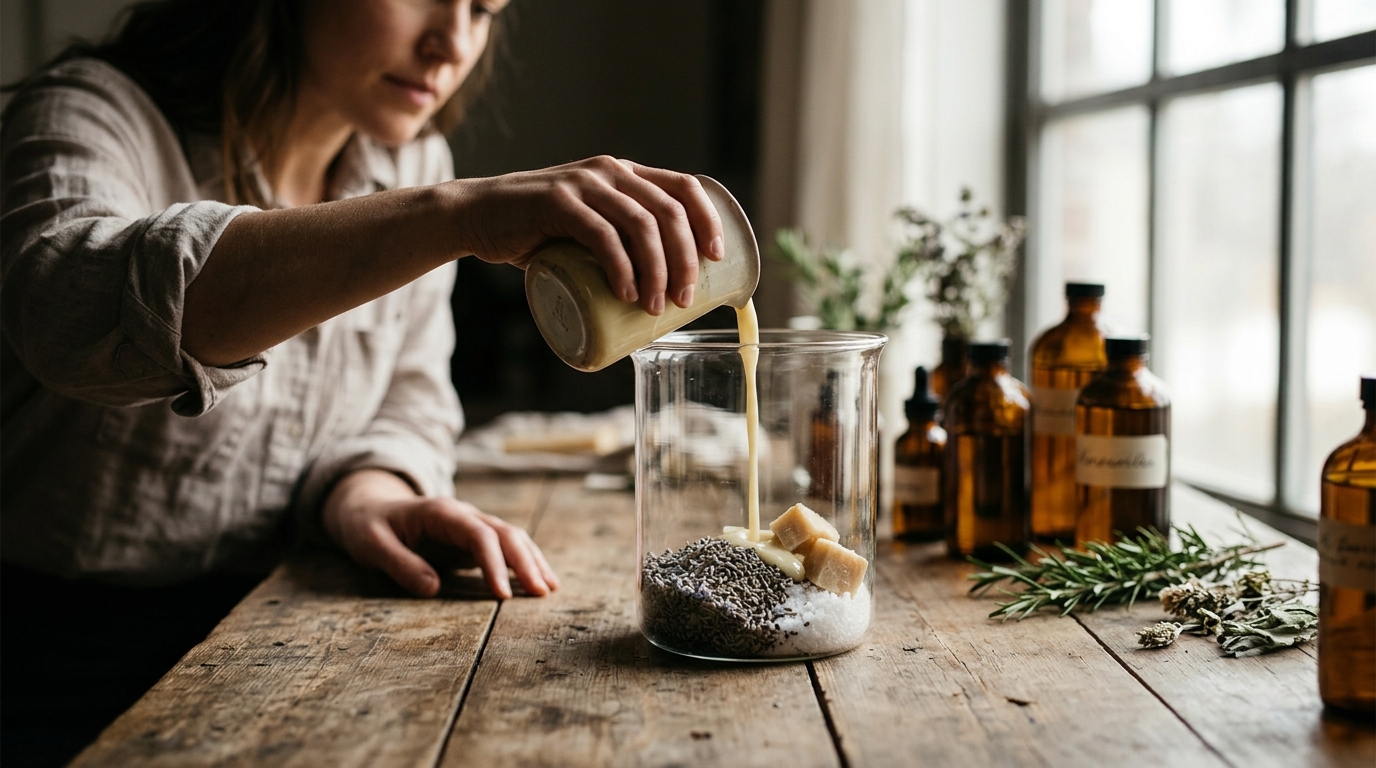
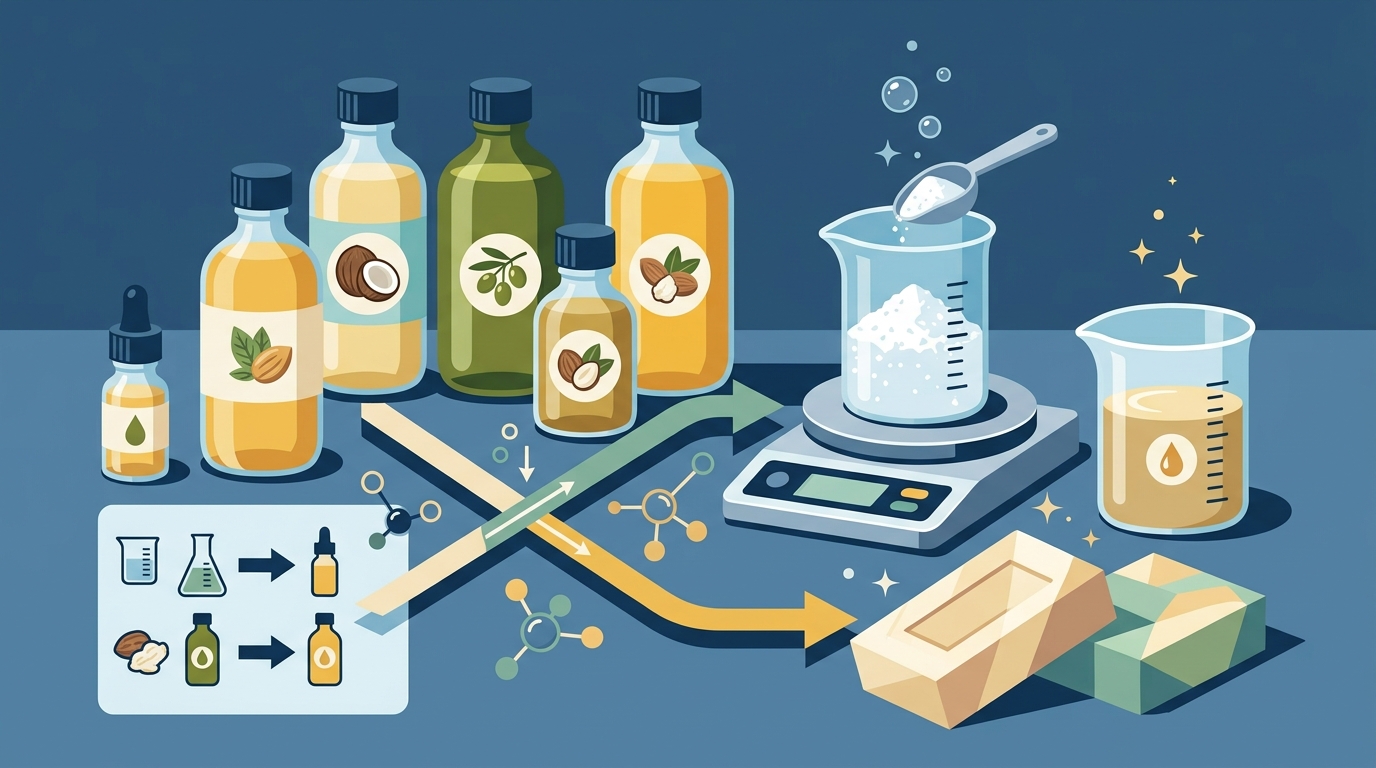
Saponification is the chemical reaction between fats and an alkali that creates soap. Understanding this process is the foundation of any successful formulation. Makers must calculate the exact amount of lye needed to react with specific oils to avoid a product that is either too harsh or too soft. For additional details, review the Makesy shop fragrance oils.
Using a reliable calculator is the first step in this process. It ensures that the chemical balance is correct before any mixing begins. This precision is what separates a professional-grade bar from a failed batch. Makers who master this calculation gain control over the final texture and lather of their soap. For additional details, review the .
Choosing the Right Oil Blends
The selection of oils determines the physical properties of the soap. Different fats contribute unique characteristics, such as hardness, cleansing ability, and bubble quality. A well-designed blend balances these traits to create a bar that lasts and performs well in the shower. For additional details, review the Customer Experience.
Mastering the Trace
The trace is the point in the mixing process where the soap batter thickens enough to hold a ribbon on the surface. Reaching the correct trace is critical for achieving the desired design and consistency. If the batter is too thin, the soap may not hold its shape. If it is too thick, it may be difficult to pour into molds. For additional details, review the Frequently Asked Questions.
Makers often use immersion blenders to reach trace quickly. However, the speed and duration of mixing must be controlled to avoid overheating the batch. This technique requires practice and attention to detail. By mastering the trace, creators can execute complex designs and ensure a uniform texture throughout the bar. For additional details, review the About.
The Importance of Curing
Curing is the period after unmolding where the soap continues to dry and harden. This step is essential for developing a long-lasting bar. During curing, excess water evaporates, and the saponification reaction completes. This process can take four to six weeks for optimal results.
Proper curing conditions involve good air circulation and a stable temperature. Makers should place their bars on racks to allow air to flow around all sides. Skipping this step can result in a soft, short-lived soap. Taking the time to cure properly is a hallmark of quality craftsmanship.
Quality Control and Testing
Additionally, makers should perform a slip test to assess the hardness and lather of the soap. This hands-on evaluation helps identify any issues with the formulation. By implementing these testing protocols, creators can ensure that every batch meets their high standards. Makesy provides the tools and ingredients necessary for makers to maintain this level of quality control.
Key Takeaways
- Saponification is the chemical reaction that turns fats into soap, requiring precise lye calculations.
- Oil blends determine the hardness, cleansing, and lather properties of the final product.
- Reaching the correct trace is essential for achieving the desired texture and design.
- Curing for four to six weeks is necessary for a hard, long-lasting bar of soap.
- Quality control tests, such as pH and slip tests, ensure safety and performance.
Frequently Asked Questions
What is the most important step in soap formulation?
The most important step is calculating the correct lye amount for the specific oils used. This ensures the chemical reaction is complete and the soap is safe to use.
How long should soap be cured?
Soap should be cured for at least four to six weeks. This allows excess water to evaporate and the bar to harden properly.
Can I use any oil for soap making?
What is the trace in soap making?
The trace is the point where the soap batter thickens enough to hold a ribbon on the surface. It is a key indicator that the soap is ready to be poured into molds.
How do I test if my soap is safe?
You can test the pH level of the soap using strips or a digital meter. A safe soap should have a pH between 8 and 10. You can also perform a slip test to check the hardness and lather.
Start Your Soap Making Journey
Creating high-quality soap requires attention to detail and the right supplies. Makesy provides the premium ingredients and tools you need to succeed. Explore our collection of soap making supplies to begin your creative process today.