

Business Licenses and Registration
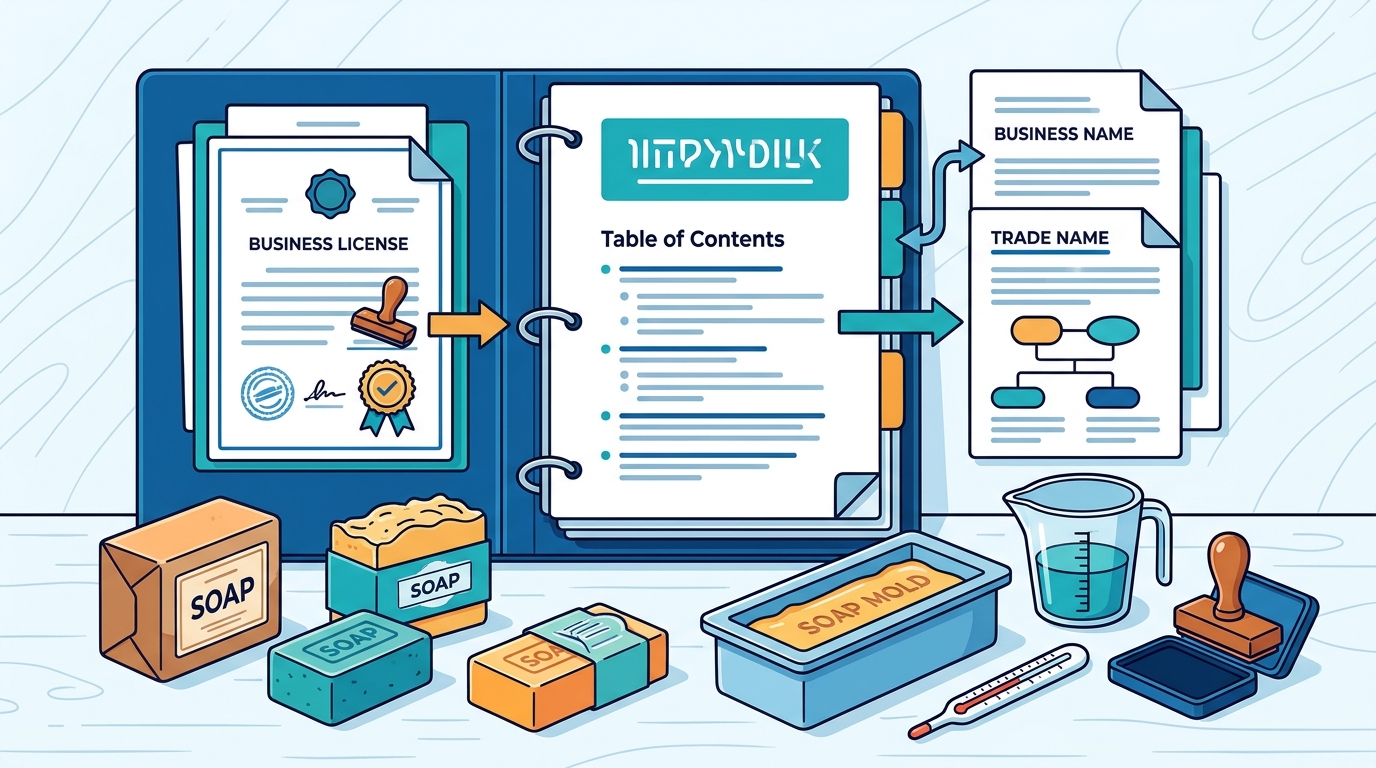
Every soap seller needs a valid business license. This document authorizes your operation within your specific city or county. You must also register your business name with the state if you operate under a trade name. This registration creates a legal entity distinct from your personal identity. For additional details, review the .
For example, a maker in California must obtain a local business tax certificate. This requirement varies by jurisdiction, so local compliance is critical. Failing to secure these basic documents can result in fines or forced closure. For additional details, review the Customer Experience.
FDA Labeling and Cosmetic Regulations
According to the FDA, you cannot make drug claims unless you have specific approval. For instance, you cannot claim your soap cures acne. You can only state that it cleanses the skin. This distinction is vital for legal safety. For additional details, review the Frequently Asked Questions.
Sales Tax and Resale Permits
Sales tax collection is a mandatory obligation for most businesses. A resale permit is a license that allows you to buy materials tax-free for resale. You need this permit to purchase supplies from vendors like Makesy without paying tax on raw materials. You must then collect tax from your end customers. For additional details, review the About.
For example, if you sell soap in New York, you must collect the state and local sales tax. You remit this money to the state revenue department. Ignoring this duty leads to significant back-tax penalties.
Product Liability Insurance
Product liability insurance is a policy that covers legal costs if a customer is injured by your product. This protection is essential for any business selling physical goods. It covers medical bills and legal fees if a customer claims your soap caused an allergic reaction.
Consider a scenario where a customer develops a rash. Without insurance, you pay all legal defense costs. With insurance, the policy covers these expenses. This financial safety net allows you to focus on growth rather than legal defense.
Safety Testing and Ingredient Compliance
For example, using a fragrance oil that is not certified for skin contact is a violation. Makesy provides eco-conscious, tested ingredients that help you meet these safety standards. Documentation is your best defense in any legal dispute.
Key Takeaways
- Obtain a local business license and state registration.
- Follow FDA cosmetic labeling rules for all packaging.
- Register for a sales tax permit to collect taxes legally.
- Secure product liability insurance to protect your assets.
- Maintain records of ingredient safety and supplier compliance.
- Avoid drug claims on cosmetic soap products.
Frequently Asked Questions
Do I need a license to sell soap online?
Yes, you need a business license and sales tax registration even if you sell online. Your physical location determines your local licensing requirements.
Is handmade soap regulated by the FDA?
Yes, the FDA regulates soap as a cosmetic. You must follow labeling and safety guidelines for cosmetics.
What is a resale permit?
A resale permit allows you to buy supplies without paying sales tax. You collect tax from your customers instead.
Do I need insurance to sell soap?
Yes, product liability insurance is strongly recommended. It protects you if a customer is injured by your product.
Can I claim my soap cures skin conditions?
No, you cannot make drug claims. You must market soap as a cleanser, not a medical treatment.
Start Your Compliant Soap Business
Legal compliance is the foundation of a successful soap business. By securing your licenses, following FDA rules, and using safe ingredients, you build a trustworthy brand. Makesy provides the premium, eco-conscious supplies you need to create high-quality products. Visit Makesy to explore our range of soap-making supplies and start your compliant journey today.