
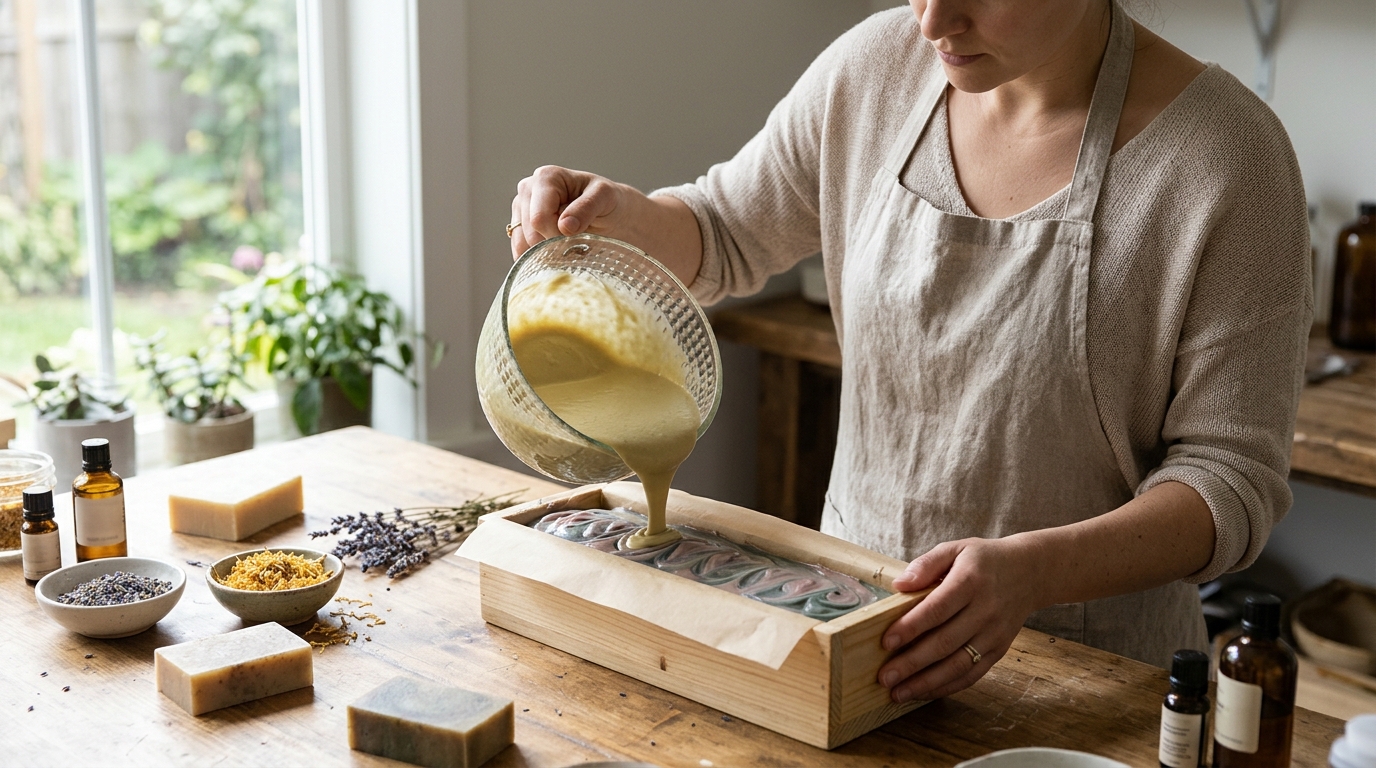
The Foundation of Cold Process Soap Making
For a new business, mastering cold process is critical for controlling the final product's hardness and cleansing ability. You must learn to calculate superfatting levels to ensure the soap is moisturizing rather than stripping. This method requires patience, as the soap needs four to six weeks to cure fully. However, the visual appeal of swirled colors and textured tops makes it ideal for social media marketing.
Consistency is the primary challenge for beginners using this method. You must track temperature differentials between your lye solution and oils to prevent searing. Makesy offers high-quality fragrance oils and essential oils that are specifically tested for cold process stability. Using reliable ingredients reduces the risk of discoloration or scent fade, which protects your brand reputation.
Efficiency and Texture in Hot Process Soap Making
Hot process soap making is a technique that accelerates the saponification reaction by applying heat to the soap mixture. This method allows makers to pour soap into molds immediately after the trace stage, bypassing the long cure time of cold process. It is particularly useful for makers who need to produce inventory quickly for local markets or online orders.
The texture of hot process soap is often described as rustic and opaque. This aesthetic appeals to customers seeking a natural, handmade look without the need for complex color layering. The heat also helps to break down the oils more thoroughly, resulting in a soap that lathers well even in hard water. For a small business, this method reduces the capital tied up in curing inventory.
However, hot process requires precise temperature management to avoid burning the soap. The mixture can become too thick or too thin if the heat is not regulated correctly. Beginners should practice with simple recipes before attempting complex designs. Makesy provides detailed guides on temperature control and safety protocols to help you master this efficient technique.
Accessibility and Customization in Melt and Pour
Melt and pour soap making is a method where pre-made soap bases are melted, customized, and poured into molds. This technique is among the most accessible entry point for beginners because it eliminates the need to handle lye. It is ideal for makers who want to focus on creative design and branding without the chemical complexity of saponification.
The primary advantage of melt and pour is speed. You can create a batch of soap in under an hour, allowing for rapid prototyping of new scents and colors. This method is perfect for testing market demand for specific fragrance profiles. Many successful brands start with melt and pour to build their customer base before transitioning to cold process.
Regulatory Compliance and Safety Standards
Launching a soap business requires strict adherence to safety and labeling regulations. The FDA classifies soap as a cosmetic product, which means it must meet specific standards for ingredient disclosure and safety. Beginners must understand the difference between true soap and synthetic detergents, as this affects how you label your products.
Safety in the production process is equally important. You must use proper personal protective equipment and maintain a clean workspace to prevent contamination. Documenting your production process is essential for quality control and liability protection. By mastering these safety protocols, you build trust with your customers and protect your business from legal risks.
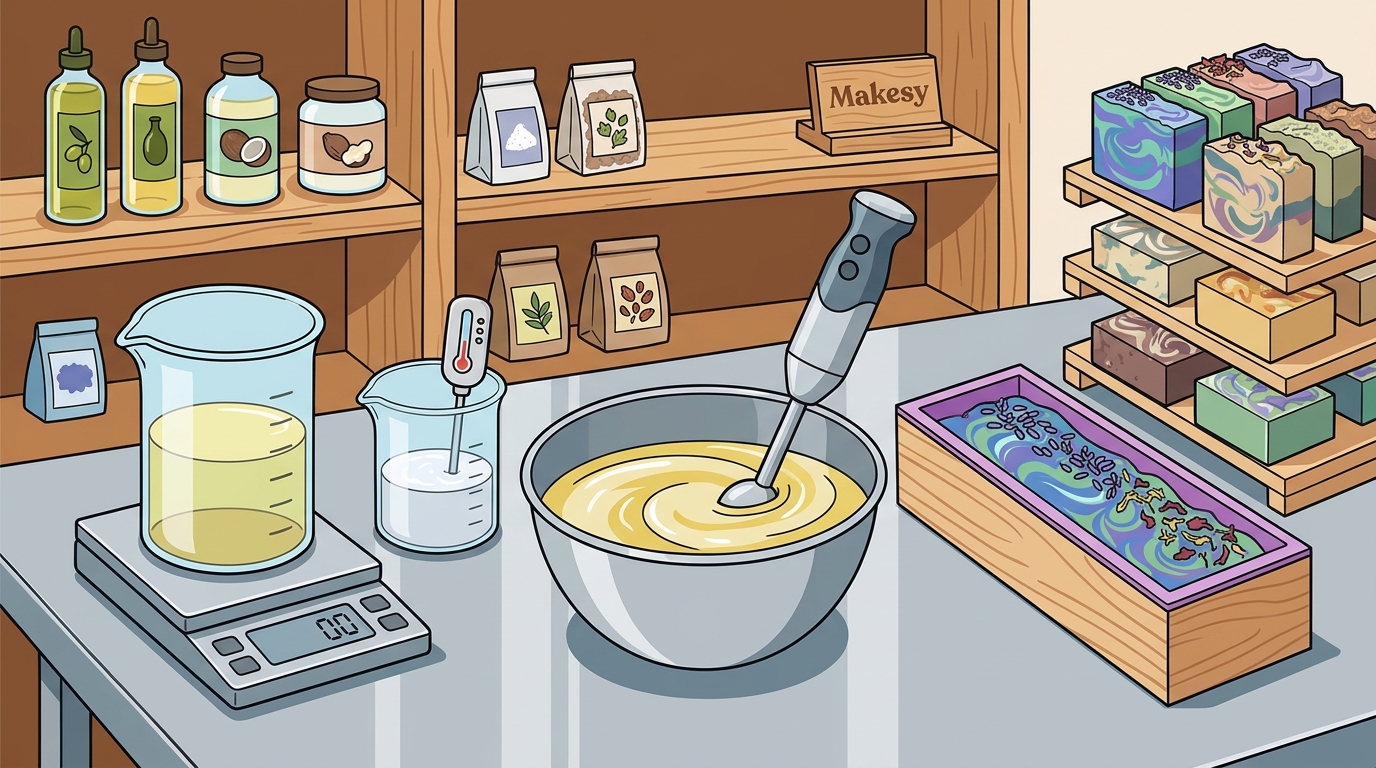
Building a Sustainable and Scalable Operation
Scalability is another critical consideration for new business owners. You must choose a method that can grow with your demand. Cold process is highly scalable, but it requires significant space for curing. Hot process is more space-efficient, while melt and pour is the easiest to scale in terms of speed. Planning your production capacity early prevents bottlenecks as your business grows.
Key Takeaways
- Cold process is among the industry standard for artisanal soap, offering superior texture and scent retention.
- Hot process accelerates production, making it ideal for makers who need to reduce curing time.
- Melt and pour is among the most accessible method for beginners, focusing on design rather than chemistry.
- FDA compliance is mandatory for many soap businesses, requiring accurate ingredient labeling.
- Sustainability is a key market differentiator, and eco-conscious ingredients build customer trust.
- Scalability planning is essential to prevent production bottlenecks as your business grows.
Frequently Asked Questions
Which soap-making method is best for beginners?
Melt and pour is often the best starting point for absolute beginners because it does not involve lye. However, cold process is recommended for those who want to create true soap with full control over ingredients.
How long does cold process soap take to cure?
Cold process soap typically requires four to six weeks to cure fully. This period allows the saponification reaction to complete and the water to evaporate, resulting in a harder, longer-lasting bar.
Can I sell soap made with melt and pour bases?
Yes, you can sell melt and pour soap, but you must label it accurately. If the base contains synthetic detergents, it cannot be labeled as "true soap" under FDA regulations.
What are the main safety risks in soap making?
The primary risks involve handling lye, which is caustic. You must wear protective gear and ensure proper ventilation. Additionally, you must follow safety protocols to prevent burns and chemical exposure.
How do I ensure my soap is FDA compliant?
You must list many ingredients in descending order of concentration and disclose any allergens. You should also avoid making unsubstantiated health claims about your product's benefits.
Is hot process soap as good as cold process?
Hot process soap is chemically similar to cold process but has a different texture. It is often more rustic and opaque, which some customers prefer. Both methods produce high-quality soap when done correctly.