
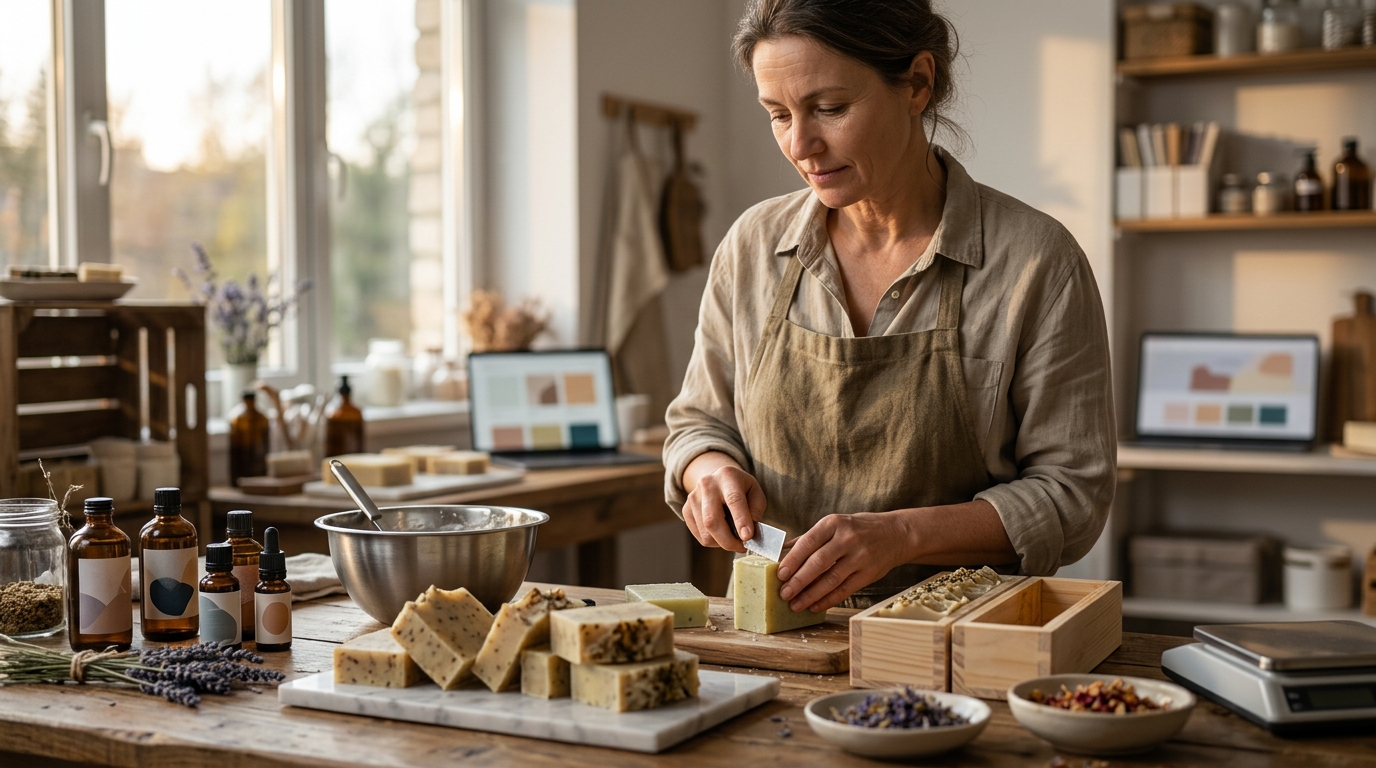
The global cold process soap market is experiencing robust expansion, with industry analysts projecting significant growth in the artisanal sector through 2026. According to recent market reports, consumer demand for natural, handcrafted personal care products has shifted from a niche hobby to a multi-billion dollar commercial opportunity. This surge is driven by a growing preference for transparent ingredient lists and sustainable manufacturing practices. For aspiring entrepreneurs, understanding the technical and regulatory landscape is the first critical step toward building a profitable brand.
Understand the Core Types of Soap
Before investing in equipment, you must define the technical foundation of your product line. Soap making is not a monolithic craft; it requires selecting a specific methodology that aligns with your brand values and operational capacity.
Cold Process Soap
Cold process soap is the traditional method where oils and lye are mixed at room temperature. The chemical reaction generates heat, which initiates saponification. This method requires a curing period of four to six weeks to ensure the soap is hard and mild. Lye, or sodium hydroxide, is a caustic substance that must be handled with extreme care during the initial mixing phase.
Melt and Pour Soap
Melt and pour soap involves purchasing a pre-saponified soap base, melting it, adding fragrances or colors, and pouring it into molds. This method eliminates the need for handling lye, making it ideal for beginners. However, it offers less control over the final ingredient profile, which may conflict with a "100% natural" brand positioning.
Hot Process Soap
Hot process soap is cooked in a slow cooker or on a stove to accelerate the saponification process. The resulting soap has a rustic, textured appearance and can be used immediately after cooling. This method is popular among artisans who prefer a hands-on, traditional approach to crafting.
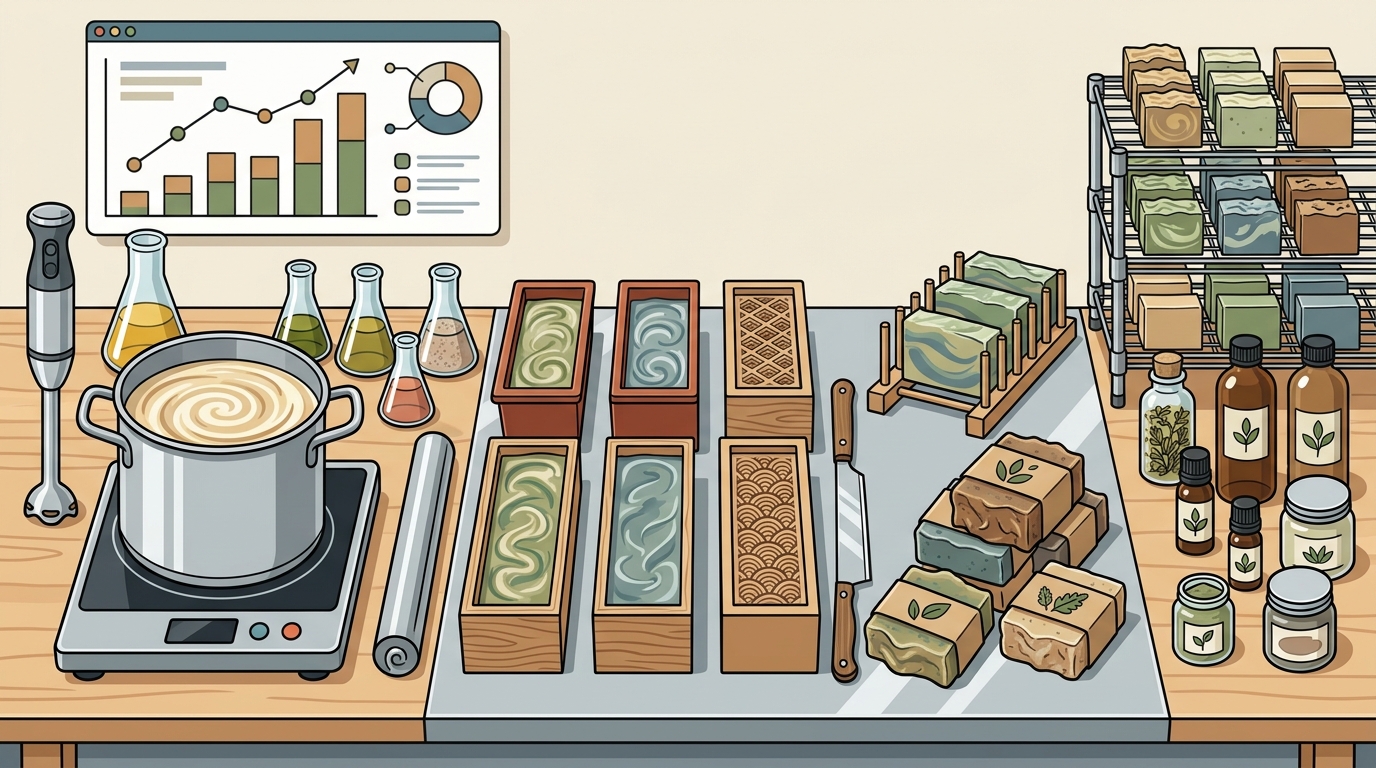
Master the Chemistry of Saponification
Successful soap making is rooted in chemistry. You cannot simply mix oils and water; you must calculate the precise amount of lye required to convert the fats into soap and glycerin.
The Saponification Value
Every oil has a specific saponification value, which indicates the amount of lye needed to fully saponify one gram of that oil. Industry-standard saponification charts provide these values for common oils like coconut, olive, and palm. Using a lye calculator is non-negotiable for ensuring your final product is safe and free of unreacted lye.
Superfatting
Superfatting involves adding a percentage of extra oil to the recipe that remains unsaponified. This excess oil moisturizes the skin and ensures no lye remains in the final bar. A typical superfat percentage ranges from 5% to 8%, depending on the desired hardness and cleansing properties of the soap.
Source Quality Supplies and Vessels
Investing in high-quality raw materials is essential for creating a premium product. The source of your oils, fragrances, and additives directly impacts the scent throw, lather quality, and shelf life of your soap.
Fragrance and Essential Oils
Choosing the right scent profile is critical for market differentiation. Functional fragrances offer consistent scent performance and are often formulated to be skin-safe. For a more natural appeal, essential oils provide therapeutic benefits but can be more expensive and may fade faster in cold process soap.
Colorants and Additives
Colorants can be derived from natural sources like clays, botanicals, or mica powders. Eco-friendly glitters made from cellulose are a popular choice for adding sparkle without harming the environment. When selecting additives, consider their impact on the soap's hardness, lather, and curing time.
Equipment Essentials
You will need stainless steel or heat-safe plastic pots, immersion blenders, silicone molds, and precise digital scales. Specialized soap-making kits often bundle these essentials, providing a cost-effective starting point for new entrepreneurs.
Develop Your Unique Formulas
Your product line should reflect a cohesive brand identity. Experiment with different oil blends to create unique lather profiles and skin benefits.
Testing and Iteration
Always test your formulas on a small batch before scaling up. Document every variable, including water discount percentages, trace times, and curing durations. Maker tips and community forums provide valuable insights from experienced soap makers who have navigated similar challenges.
Product Line Expansion
Consider expanding your offerings to include complementary products such as bath bombs, body scrubs, or lotions. Body care additives can enhance the moisturizing properties of your soaps and create cross-selling opportunities.
Ensure Safety and Regulatory Compliance
Regulatory compliance is the most critical aspect of launching a soap business. Failure to adhere to safety standards can result in legal penalties and brand damage.
Labeling Requirements
In the United States, the FDA regulates soap as a cosmetic if it is marketed for its cleansing properties. FDA labeling guidelines require accurate ingredient listing, net weight, and business contact information. Mislabeling can lead to product recalls and loss of consumer trust.
Business Registration and Insurance
Register your business with your state and obtain an Employer Identification Number (EIN). SBA registration resources provide step-by-step guidance for legal compliance. Additionally, secure product liability insurance to protect against potential claims related to skin reactions or allergic responses.
Good Manufacturing Practices (GMP)
Adopt Good Manufacturing Practices to ensure consistency and safety. This includes maintaining a clean workspace, sanitizing equipment, and conducting stability tests on your final products.
Branding and Packaging Strategy
Your brand story and packaging design play a pivotal role in attracting customers. In a crowded market, visual appeal and narrative resonance are key differentiators.
Visual Identity
Develop a logo, color palette, and typography that reflect your brand's personality. Whether your aesthetic is minimalist, rustic, or vibrant, consistency across all touchpoints builds recognition.
Packaging Solutions
Choose packaging that protects the soap while aligning with your sustainability goals. Eco-friendly packaging options such as recycled cardboard boxes or compostable bags appeal to environmentally conscious consumers. Ensure your packaging includes all necessary legal disclosures and care instructions.
Photography and Content
High-quality product photography is essential for online sales. Invest in professional images that showcase the texture, color, and details of your soaps. Curated product collections can serve as inspiration for your own visual storytelling.
Launch and Market Your Business
Launching your soap business requires a strategic approach to distribution and marketing. Leverage both online and offline channels to reach your target audience.
E-commerce Platform
Set up an online store using platforms like Shopify or WooCommerce. Comprehensive supply catalogs can streamline your inventory management and ensure you have the necessary materials for production.
Local Markets and Wholesale
Participate in local farmers' markets and craft fairs to build a local customer base. Approach boutique shops and spas to explore wholesale opportunities. Distributor details and partnership programs can help you expand your reach beyond direct-to-consumer sales.
Social Media Marketing
Utilize Instagram, Pinterest, and TikTok to showcase your soap-making process and connect with potential customers. Share behind-the-scenes content, customer testimonials, and educational posts about the benefits of natural ingredients.
Key Takeaways
- Chemical Precision: Always use a lye calculator to determine the exact amount of sodium hydroxide needed for your specific oil blend.
- Safety First: Handle lye with protective gear and work in a well-ventilated area to prevent chemical burns.
- Curing Time: Allow cold process soap to cure for 4-6 weeks to ensure a hard, long-lasting bar.
- Regulatory Compliance: Follow FDA labeling guidelines and register your business to avoid legal issues.
- Quality Sourcing: Invest in high-quality fragrances and oils to ensure consistent scent and performance.
- Brand Story: Develop a unique brand narrative that resonates with your target audience's values.
- Multi-Channel Sales: Combine e-commerce with local markets and wholesale to diversify revenue streams.
Frequently Asked Questions
Do I need a special license to sell soap?
Yes, you typically need to register your business with your state and may require a cosmetic manufacturing license depending on local regulations. Always check with your local health department for specific requirements.
How long does cold process soap take to cure?
Cold process soap generally requires 4 to 6 weeks of curing time. This allows water to evaporate, resulting in a harder, longer-lasting bar with a milder lather.
Can I use essential oils instead of fragrance oils?
Yes, essential oils can be used, but they may fade faster or alter the soap's color. Essential oils also tend to be more expensive than synthetic fragrances.
What is the difference between cold process and hot process soap?
Cold process soap cures over several weeks and has a smoother finish, while hot process soap is cooked to speed up saponification and has a rustic, textured appearance.
How do I prevent soda ash on my soap?
Soda ash is a white powdery residue caused by lye reacting with carbon dioxide in the air. Safety tips for soap makers suggest spraying alcohol on the soap surface or covering it to prevent this issue.
What is the best oil for creating lather?
Coconut oil is known for producing a rich, bubbly lather. However, it can be drying if used in high percentages, so it is often blended with conditioning oils like olive or avocado.
How do I price my soap for profit?
Calculate the cost of raw materials, packaging, labor, and overhead. Add a markup percentage that reflects your brand's value and market positioning. Business perks and discounts can help reduce initial supply costs.
Ready to Start Your Soap-Making Journey?
Launching a small soap-making business requires careful planning, technical knowledge, and a commitment to quality. By following these essential steps and leveraging the right resources, you can build a successful brand that resonates with customers. Explore our full range of soap-making supplies to get started on your entrepreneurial path today.