

Starting a candle making business or hobby does not require a massive upfront investment. According to industry data, the average cost to start a small-scale candle business can be under $500 if you source materials wisely. This guide breaks down exactly how to minimize expenses without sacrificing quality. We will explore cost-effective materials, smart purchasing strategies, and operational efficiencies that keep your overhead low. (Products 124 makesy)
Understanding the True Cost of Candle Making
Many beginners assume that candle making is expensive because they look at retail prices for small quantities. However, the economics change drastically when you understand the supply chain. The core components of any candle are wax, wicks, fragrance, and vessels. Each of these categories has a wide range of price points.
By focusing on bulk purchasing and understanding the difference between wholesale and retail pricing, you can reduce your cost per unit by up to 60%. This margin is critical for profitability if you plan to sell your candles. Even for hobbyists, buying in bulk reduces the frequency of shipping costs, which can often exceed the cost of the items themselves.
Essential Supplies on a Budget
You do not need professional-grade industrial equipment to start. A few key tools will get you 90% of the way there. Here is the minimal list of equipment you need to begin.
1. The Double Boiler Method
Instead of buying an expensive melting pot, use a heat-safe glass measuring cup placed inside a saucepan. This is the standard method for home makers. It is safe, effective, and costs nothing extra if you already have kitchenware.
2. A Reliable Thermometer
Temperature control is non-negotiable for candle safety and quality. A digital kitchen thermometer costs less than $10 and prevents wax from overheating, which can ruin your fragrance throw. Overheating wax destroys scent molecules.
3. Pouring Pitchers
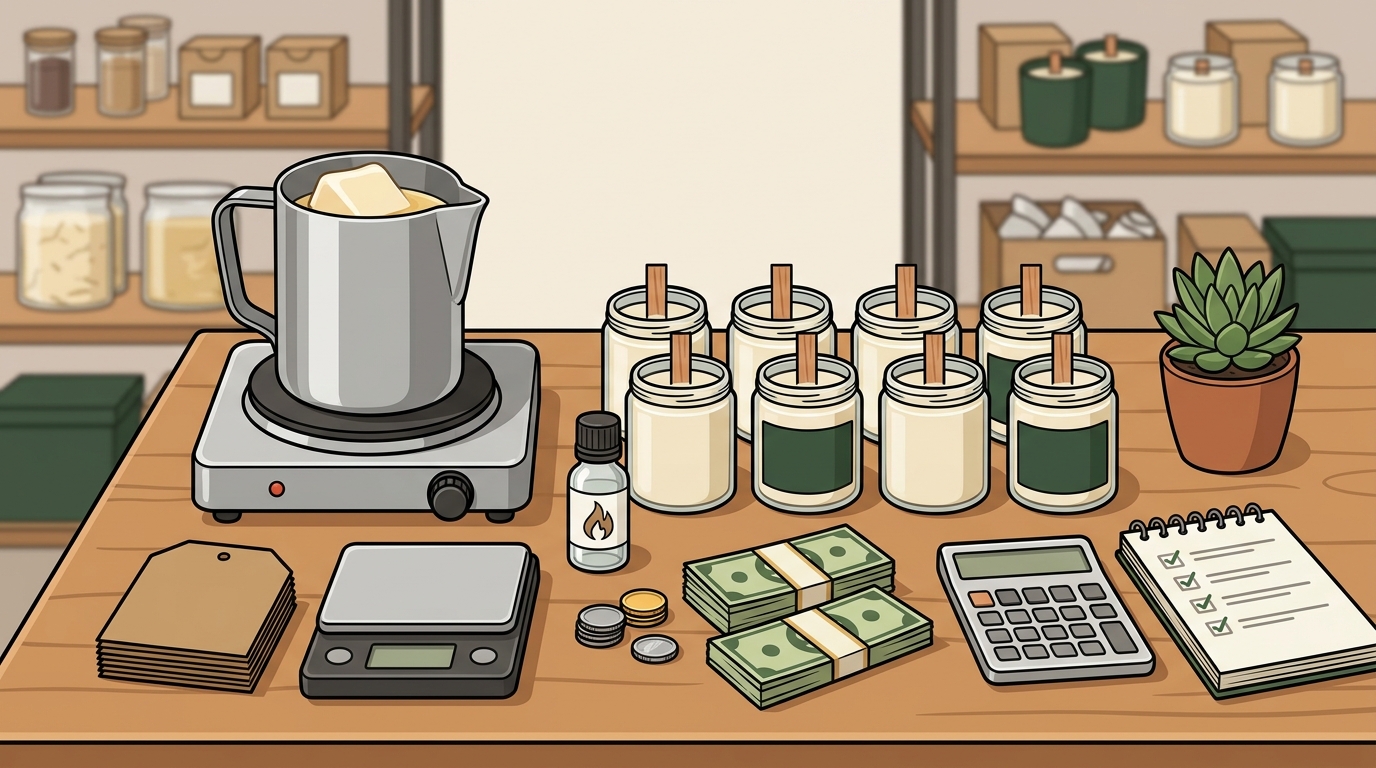
Stainless steel pouring pitchers are durable and easy to clean. While glass pitchers are cheaper initially, they break easily. Investing in one good metal pitcher saves money in the long run.
Smart Sourcing Strategies
Where you buy your supplies determines your bottom line. Makesy offers a comprehensive catalog of candle supplies that caters to both beginners and professionals. By utilizing a dedicated supplier, you avoid the fragmentation of buying wicks from one store, wax from another, and fragrance from a third.
Consolidating Your Orders
Shipping costs are a hidden budget killer. When you order from a single source like Makesy, you can often qualify for free shipping thresholds or lower rates. This consolidation simplifies your inventory management and reduces your carbon footprint.
Utilizing Membership Perks
Many suppliers offer loyalty programs. For instance, becoming an Ocean Member through Makesy provides expedited shipping for just $4.95 a month. This perk can save you significant money if you order frequently. You also receive a refund on shipping fees and earn points on your purchases. These small savings compound over time.
Choosing the Right Wax for Value
Wax is the largest component of your candle by weight. Choosing the wrong wax can lead to wasted money and poor product performance. Here is a breakdown of common waxes and their budget implications.
| Wax Type | Cost Profile | Best For | Pros & Cons |
|---|---|---|---|
| Soy Wax | Mid-Range | Home Makers | Natural, clean burn. Requires higher fragrance load. |
| Palm Wax | Low-Mid | Decorative Candles | Unique crystalline look. Ethical sourcing concerns. |
| Paraffin Wax | Low | Commercial Scale | Cheapest option, excellent throw. Not natural. |
| Coconut Wax | High | Premium Products | Superior scent throw. Expensive for beginners. |
Soy wax is often the best balance for beginners. It is widely available and burns cleanly. If you are strictly budget-conscious, paraffin is the cheapest option, but it is derived from petroleum. Always check the melting point of your wax. This ensures you add your fragrance at the correct temperature for maximum retention.
Fragrance and Color Economics
Fragrance oil is where many makers lose money. You might buy a large jug of oil, but if you do not calculate the fragrance load correctly, you will run out quickly. The standard fragrance load for soy wax is between 6% and 10%. This means for every 16 ounces of wax, you use 1 to 1.6 ounces of fragrance.
Buying Fragrance in Bulk
Never buy fragrance in small 1-ounce bottles for production. Buy in 1-pound or larger quantities. The price per ounce drops dramatically. Makesy offers a wide range of functional fragrances that are designed for specific wax types. Using the wrong fragrance can result in a candle that does not burn properly, leading to total product loss.
Colorants: Dyes vs. Micas
Liquid dyes are generally more cost-effective than mica powders. A small amount of liquid dye can color a large batch of wax. Micas are beautiful but can be expensive and may clog wicks if used in excess. Start with a few core colors to keep your inventory simple.
Scaling Your Operation Efficiently
As you grow, your budget strategy must evolve. The initial phase is about minimizing waste. The growth phase is about optimizing efficiency.
Wick Testing
Wick testing is the most critical step in product development. A wick that is too small creates a tunnel, wasting wax. A wick that is too large creates a dangerous flame. Wick testing ensures you find the perfect balance. This process saves money by preventing bad batches from reaching the customer.
Inventory Management
Keep your inventory lean. Do not buy 50 pounds of wax until you have sold your first 10 candles. Use the discounts & promotions available on supplier sites to time your purchases. This prevents cash flow issues and reduces storage needs.
Key Takeaways
- Start Small: You can begin with under $50 in supplies.
- Buy in Bulk: Fragrance and wax costs drop significantly in larger quantities.
- Consolidate Shipping: Use a single supplier like Makesy to reduce shipping fees.
- Use Loyalty Programs: Memberships like Ocean can save you money on expedited shipping.
- Test Your Wicks: Proper wick selection prevents product failure and waste.
- Calculate Fragrance Load: Stick to 6-10% for soy wax to maximize scent without overspending.
- Choose the Right Wax: Soy offers a good balance of cost and performance for beginners.
Frequently Asked Questions
How much does it cost to start candle making?
You can start with as little as $30 to $50 for basic supplies like wax, wicks, and a small fragrance oil. This allows you to make your first few test candles.
Is soy wax more expensive than paraffin?
Soy wax is typically more expensive per pound than paraffin. However, it burns cleaner and longer, which can be a selling point for customers. Paraffin is cheaper but not natural.
Can I use kitchen equipment for candle making?
Yes, a double boiler setup using a saucepan and a heat-safe glass pitcher is the standard home method. It is safe and cost-effective.
How do I save money on shipping?
Consolidate your orders with a single supplier. Many suppliers offer free shipping thresholds or loyalty programs that reduce shipping costs significantly.
What is the best fragrance load for budget candles?
For soy wax, a 6% to 10% fragrance load is standard. Going higher does not improve scent and wastes money. Going lower results in a weak scent throw.
Do I need to buy special wicks?
Yes, wicks are specific to the wax type and vessel diameter. Using the wrong wick can ruin a candle. Wick guides are available from suppliers to help you choose.
How can I reduce waste in candle making?
Save your wax scraps and melt them down for smaller candles or wax melts. This reduces the amount of raw material you need to buy.
Start Your Journey
Building a budget-friendly candle business is entirely possible with the right resources. By sourcing your materials from a trusted provider like Makesy, you gain access to high-quality supplies, expert guidance, and cost-saving opportunities. Visit our collections today to find everything you need to start making candles for less. Your creative journey begins with a single purchase.