

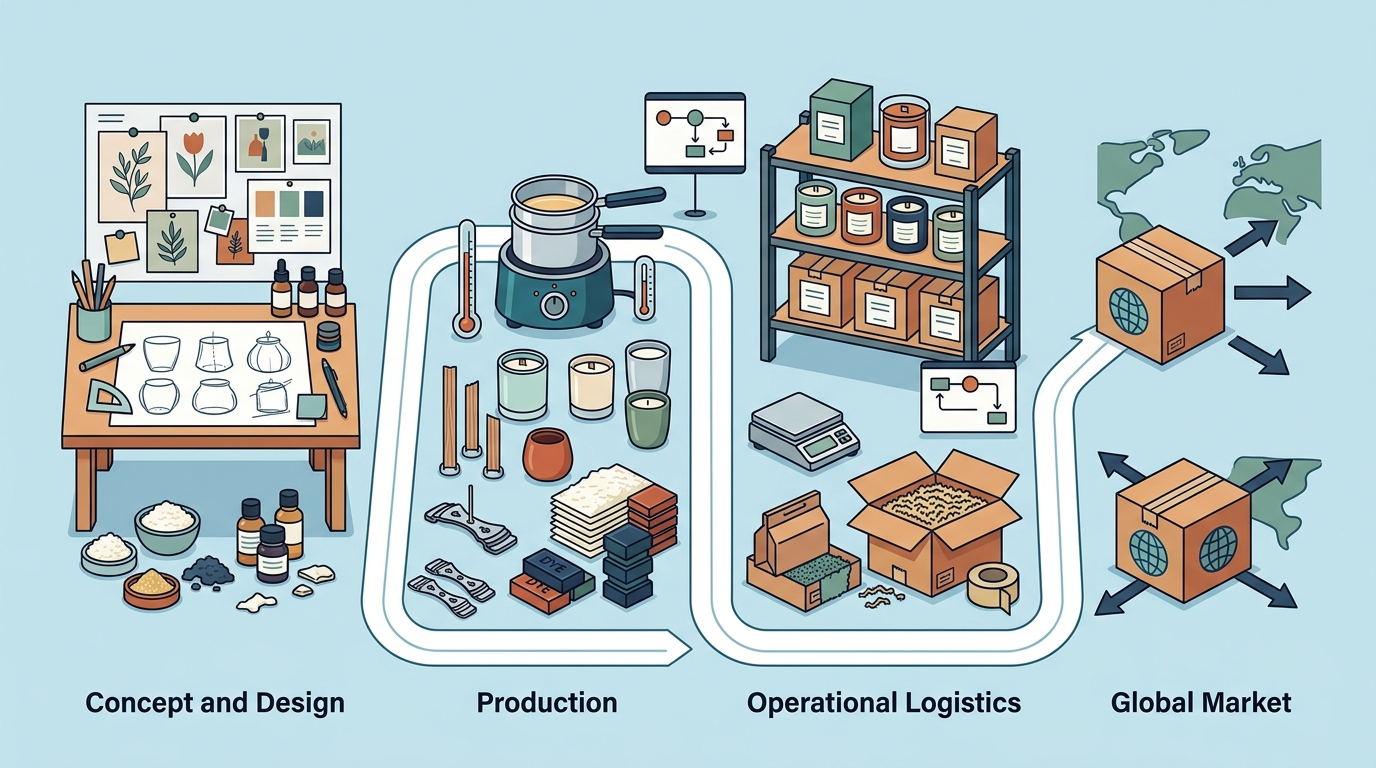
The global candle market is experiencing a significant surge in demand, driven by consumers seeking home wellness and artisanal aesthetics. According to recent industry analysis, the market is projected to grow at a compound annual growth rate of over 4% through 2030, indicating robust opportunities for new entrants. This growth is fueled by the rise of the "maker economy," where consumers prefer unique, handcrafted goods over mass-produced alternatives. For aspiring entrepreneurs, understanding the intersection of creative design and operational logistics is critical for long-term success. This guide outlines the essential steps to launching a profitable candle brand, leveraging professional-grade resources and industry best practices.
Understanding Candle Types and Wax
The foundation of any successful candle business lies in the selection of the correct wax. The choice of wax dictates the burn quality, scent throw, and overall aesthetic of the final product. Soy wax is a refined, natural wax made from hydrogenated soybean oil. It is widely favored by modern makers for its clean burn and excellent scent retention. Paraffin wax is a byproduct of petroleum refining that offers superior hot throw. While less natural, it remains a staple in the industry for its ability to hold complex fragrance profiles. Coconut wax is a blend derived from coconut and rapeseed oils known for its creamy texture. This wax is often used in premium blends to enhance fragrance diffusion.
Choosing the right wax requires an understanding of melting points and compatibility with different vessel types. Soy wax, for instance, can be prone to frosting, a natural crystallization process that affects appearance but not performance. Paraffin wax, on the other hand, provides a smooth, glass-like finish that appeals to luxury consumers. The decision often comes down to brand positioning. Eco-conscious brands typically prioritize soy or coconut blends, while traditionalists may stick to paraffin for its reliability.
For those entering the market, starting with a single wax type allows for mastery of the craft before diversifying. Understanding the specific properties of each wax ensures that the final product meets consumer expectations for burn time and scent intensity. This foundational knowledge is critical for establishing credibility in a crowded marketplace.
Sourcing Professional-Grade Supplies
Reliable sourcing is the backbone of a scalable candle business. Inconsistent supply chains can lead to production delays and quality control issues that damage brand reputation. Professional makers often partner with specialized distributors that offer a comprehensive range of vessels, wicks, and fragrances. Makesy is a leading provider of candle-making supplies, offering everything from Aura candle vessels and lids to specialized packaging solutions.
When selecting suppliers, consider the following criteria:
- Product Variety: Access to diverse vessel shapes and wick types allows for rapid prototyping.
- Quality Consistency: Batch-to-batch consistency in wax and fragrance oils is non-negotiable for brand integrity.
- Shipping Efficiency: Fast, reliable shipping ensures that production lines remain uninterrupted.
Many successful brands utilize platforms that offer bulk purchasing options and comprehensive maker support. These resources help new entrepreneurs navigate the complexities of inventory management. By centralizing supply purchases, makers can reduce overhead costs and simplify logistics. This strategic approach to sourcing is a key differentiator between hobbyists and professional business owners.
Fragrance Load and Wick Selection
The sensory experience of a candle is determined by the interplay between fragrance oil and wick size. Fragrance load is the percentage of fragrance oil added to the wax by weight. Most soy waxes perform optimally with a fragrance load between 6% and 10%. Exceeding this limit can lead to sooting, poor burn quality, and reduced shelf life. Wick size is the diameter of the wick that determines the flame height and melt pool. Selecting the correct wick is critical for ensuring that the candle burns evenly from edge to edge.
Testing is an iterative process. Makers must conduct burn tests to determine the optimal wick size for each specific vessel and wax combination. A wick that is too small will result in a tunneling effect, where wax remains on the sides of the jar. A wick that is too large can cause the container to overheat, posing a safety risk. Shipping and lead times for testing materials should be factored into the development timeline to avoid delays.
Understanding the chemistry of fragrance oils is also essential. Some oils are heavier and require larger wicks to vaporize effectively, while others are lighter and may require smaller wicks to prevent overheating. This technical knowledge separates professional formulations from amateur attempts. By prioritizing rigorous testing, makers can ensure that every candle delivers a consistent and safe user experience.
Safety Standards and Regulatory Compliance
Safety is the most critical aspect of candle manufacturing. Consumers expect their products to be safe for home use, and brands must adhere to strict regulatory standards. Candle safety involves ensuring that the candle does not overheat, flare up, or tip over during normal use. This requires careful attention to vessel stability, wick trim, and maximum fill levels.
In the United States, the Consumer Product Safety Commission (CPSC) oversees the safety of consumer goods, including candles. Brands must ensure that their products meet flammability standards and include appropriate warning labels. Additionally, the International Fragrance Association (IFRA) sets standards for the safe use of fragrance ingredients. Compliance with IFRA guidelines is essential to avoid allergic reactions and other health risks associated with certain scent compounds.
Proper labeling is also a legal requirement. Labels must include the net weight, burn time, safety warnings, and ingredient lists. High-quality packaging not only protects the product during shipping but also serves as a primary marketing tool. Clear, professional labeling builds trust with consumers and demonstrates a commitment to safety and transparency.
Branding and Packaging Strategy
In a saturated market, branding is the primary driver of consumer choice. A strong brand identity communicates the values and aesthetic of the candle line. This includes the name, logo, color palette, and overall visual language. Brand identity is the collection of visual and emotional elements that distinguish a business from its competitors. For candle makers, this often involves a focus on natural ingredients, artisanal craftsmanship, or luxury aesthetics.
Packaging plays a dual role in branding. It protects the product and enhances the unboxing experience. Consumers are increasingly drawn to sustainable packaging solutions that align with their environmental values. Using recycled materials or reusable vessels can be a powerful differentiator. Aura candle vessels and other premium packaging options provide a sophisticated look that elevates the perceived value of the product.
Consistency across all touchpoints is key. From the website to the social media presence, the brand voice should be cohesive. This helps in building a loyal community of customers who identify with the brand's values. Investing in professional photography and clear product descriptions can significantly improve conversion rates. A well-defined brand strategy is essential for standing out in the digital marketplace.
Scaling Operations and Logistics
As demand grows, the operational complexity of a candle business increases. Scaling requires efficient production processes, inventory management, and fulfillment strategies. Scaling operations is the process of increasing production capacity to meet growing market demand. This involves standardizing recipes, optimizing workflow, and potentially investing in specialized equipment.
Logistics is a major challenge for candle makers due to the weight and fragility of the products. Shipping costs can erode profit margins if not managed carefully. Partnering with reliable shipping providers and negotiating bulk rates is essential. Makesy's support resources offer guidance on shipping and lead times to help makers optimize their logistics. Some platforms offer membership programs that provide discounted shipping rates, which can significantly reduce overhead.
Inventory management is another critical component. Makers must balance the need for raw materials with the risk of overstocking. Perishable items like fragrance oils have a limited shelf life, requiring careful rotation. Using inventory management software can help track stock levels and automate reordering processes. This ensures that production never halts due to material shortages.
Key Takeaways
- Wax Selection: Choose between soy, paraffin, or coconut wax based on brand positioning and consumer preferences.
- Supply Chain: Partner with specialized distributors like Makesy for consistent, high-quality materials.
- Testing: Rigorously test wick size and fragrance load to ensure safety and performance.
- Compliance: Adhere to CPSC and IFRA standards to ensure product safety and legal compliance.
- Branding: Develop a strong visual identity and use premium packaging to differentiate in the market.
- Logistics: Optimize shipping strategies to manage costs and ensure timely delivery.
- Scaling: Standardize production processes and use inventory software to manage growth effectively.
Frequently Asked Questions
What is the best wax for beginners?
Soy wax is often recommended for beginners due to its ease of use, clean burn, and wide availability. It is forgiving and allows for clear scent throw without requiring complex temperature control.
How do I choose the right wick size?
Wick size depends on the wax type, fragrance load, and vessel diameter. Makers must conduct burn tests to find the optimal wick that creates a full melt pool without sooting.
What are the safety regulations for candle making?
Candle makers must comply with CPSC standards in the US and IFRA guidelines for fragrance usage. Proper labeling with safety warnings and ingredient lists is mandatory.
How can I reduce shipping costs for candles?
Partnering with suppliers that offer bulk shipping discounts or membership programs can significantly reduce costs. Using lightweight, durable packaging also helps minimize dimensional weight charges.
Where can I find professional candle-making supplies?
Specialized online retailers like Makesy offer a comprehensive range of vessels, wicks, and fragrances tailored for professional makers.
What is a fragrance load?
Fragrance load is the percentage of fragrance oil added to the wax by weight. Most waxes perform best with a load between 6% and 10%.
How do I prevent tunneling in candles?
Tunneling is prevented by using the correct wick size for the vessel diameter. A wick that is too small will not melt the wax to the edges, leading to tunneling.
Is candle making a profitable business?
Yes, the candle industry is growing, and artisanal brands can achieve high profit margins if they focus on quality, branding, and efficient operations.
Start Making Today
Launching a candle business requires a blend of creative vision and operational discipline. By mastering the fundamentals of wax selection, fragrance chemistry, and safety compliance, you can build a brand that resonates with consumers. The right supply chain partner can streamline your operations and allow you to focus on growth. Explore the professional-grade supplies available at Makesy to begin your journey. Visit our help center for detailed guides on shipping, safety, and maker tips. Start creating your signature scents today and join the community of successful artisanal makers.